


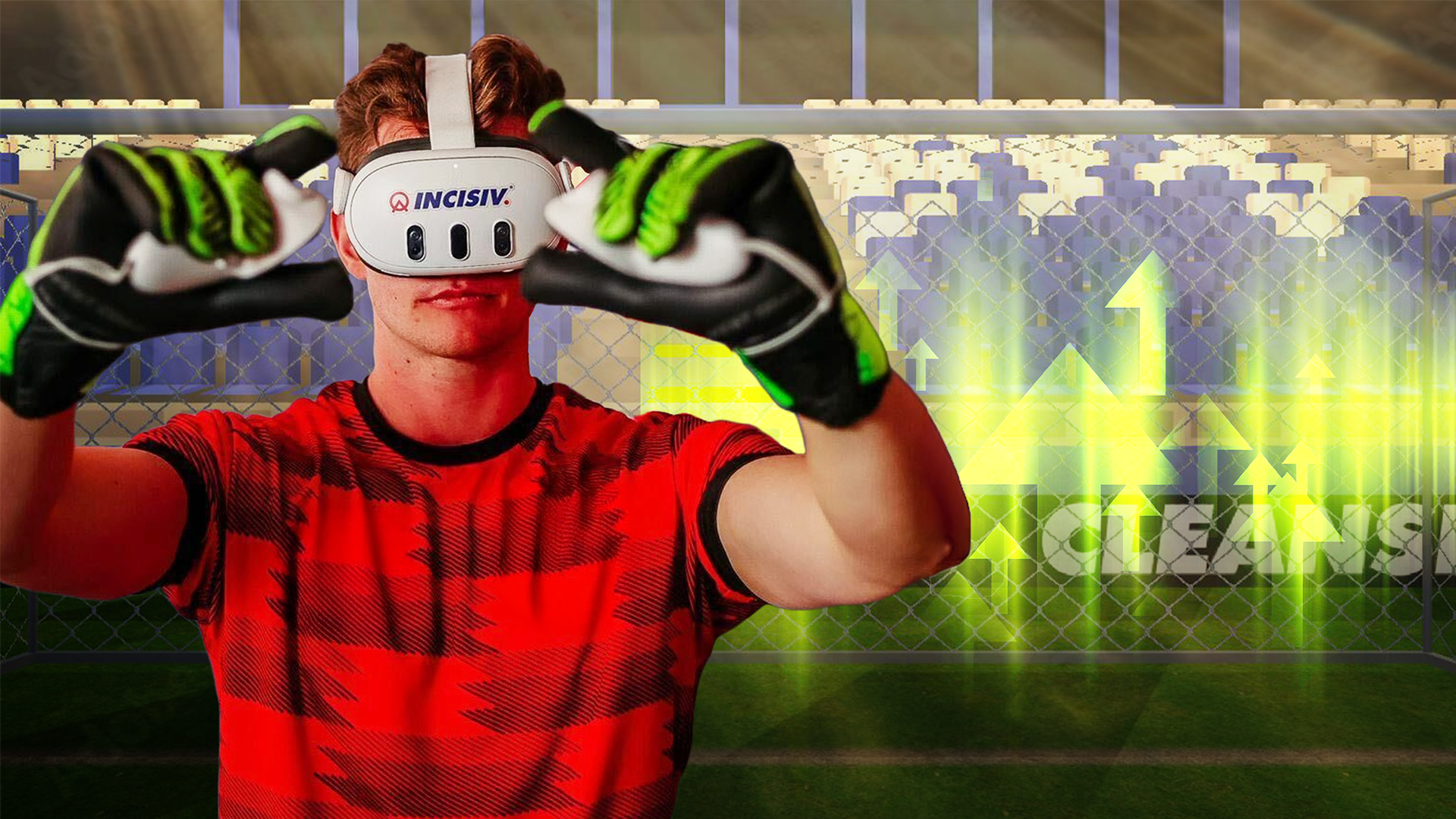
Subject: "DK" (21-year-old Goalkeeper)
League: Northern Ireland Football League Championship
Objective: Survival (Relegation Battle)
In elite football, the difference between relegation and survival often rests on a single decision made in milliseconds. For DK, a 21-year-old goalkeeper (1.8m) playing in the Northern Ireland First Division, the stakes could not have been higher. His team was fighting to stay in the league, meaning every save was a potential lifeline.
While his coaching staff could observe his performance, they lacked the objective data to quantify exactly why certain shots were getting past him. Traditional observation suggested he was performing reasonably well, but the team needed marginal gains to ensure survival. They needed to move beyond subjective opinion ("he looks sharp") to precise measurement.
.png)
Using CleanSheet Pro’s advanced analytics, the coaching staff ran a standardized assessment to measure DK’s performance with millimeter and millisecond accuracy. The data revealed two critical, hidden performance gaps that were invisible to the naked eye:
1. Technique-Driven Decision Bias ("Hand Bias"): DK displayed a significant asymmetry in his saving ability. When faced with identical shots to his left and right sides, he saved 65% on his right but only 35% on his left. His physical technique was negatively impacting his brain's ability to respond effectively to threats on his weak side.
2. Perceptual Weakness (Movement Efficiency): The data showed a low score for "movement efficiency," indicating that DK was struggling to accurately "read" the trajectory of the ball. He was failing to move directly to the ball's end location, resulting in wasted energy and slower reaction times.

To bridge these gaps without adding physical fatigue during a crucial part of the season, DK integrated weekly CleanSheet VR sessions into his schedule for eight weeks.
• "Train Without Load": This methodology allowed DK to perform high-intensity repetitions to sharpen his cognitive reactions without the physical wear and tear of diving on grass, ensuring he remained fresh for match days.
• Deliberate Practice via the "Redo" Function: The training utilized the "Redo" feature, forcing DK to practice specific left-side saves repeatedly until the movement became instinctive. This built the neural pathways (muscle memory) required to correct his technical bias.
• Trajectory Mapping: By simulating realistic shots, the VR training helped map the correct responses in his brain, improving his ability to read ball flight and move efficiently to the interception point.
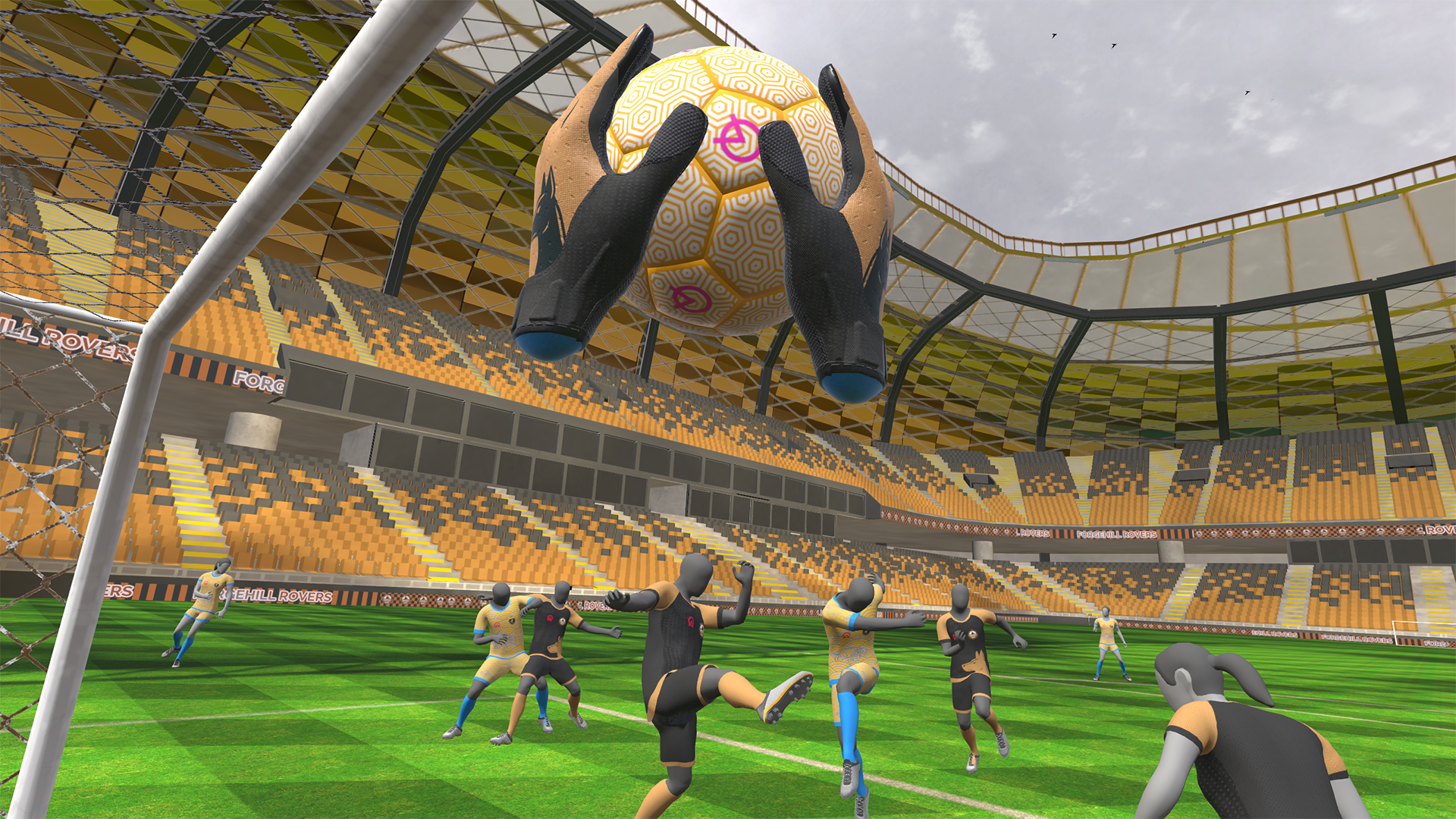
After eight weeks of supplemental VR training, DK was re-tested using the exact same diagnostic protocol used at the start. Crucially, he had not faced any of the specific test shots during his training sessions, meaning the improvements were a result of genuine skill transfer, not just memorization.
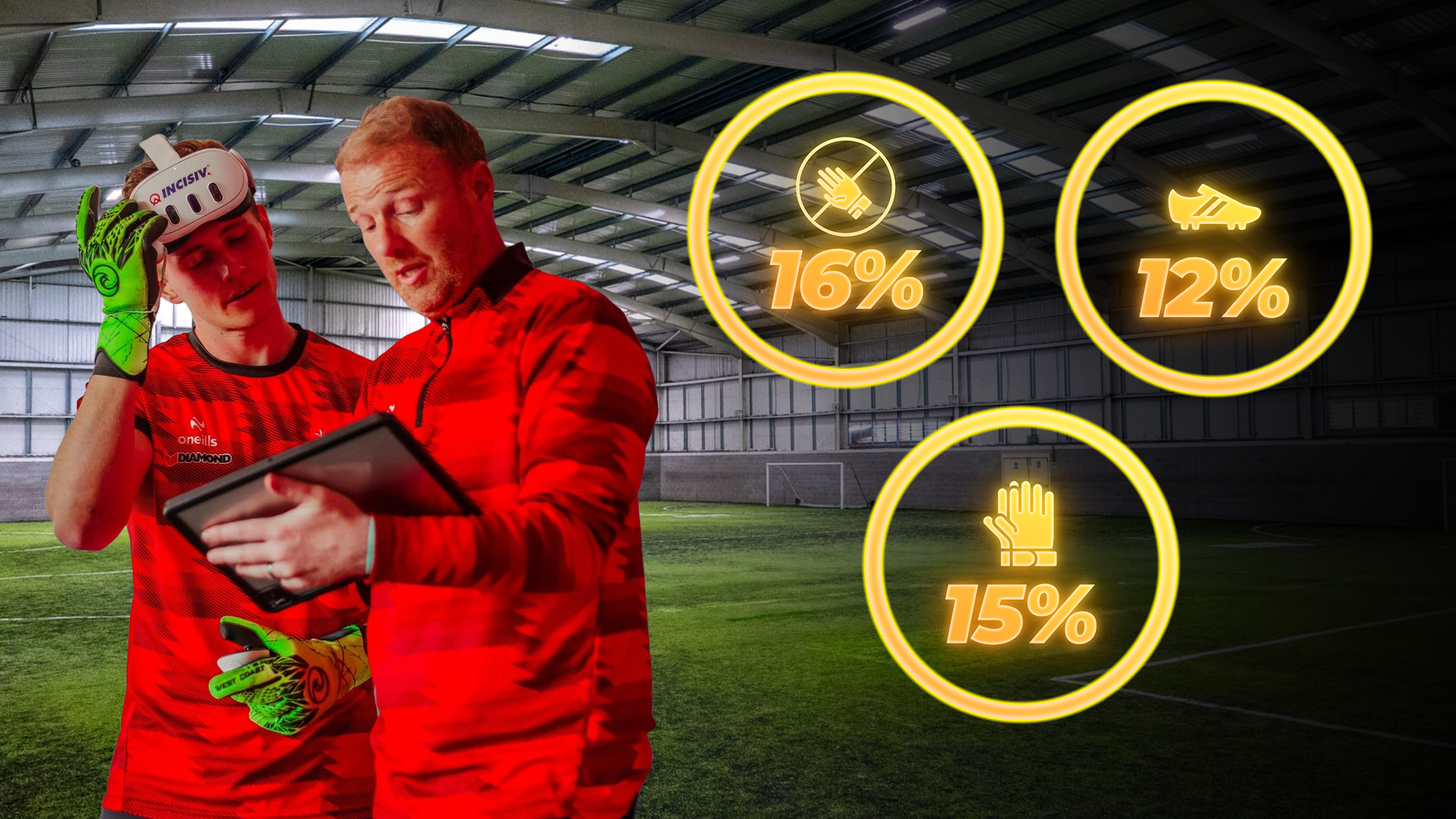
The data showed a transformed athlete:
Hand Bias (Left vs. Right) : 16% Reduction (Significant improvement in saving ability on his weak (left) side).
Movement Efficiency: 12% Increase (Improved ability to read trajectory and move directly to the ball).
Overall Save Rate: 15% Increase (A massive increase in stopping power during the relegation run-in).
This case study demonstrates that CleanSheet Pro is not just a training tool, but a performance multiplier. By using objective data to identify hidden weaknesses and using "No Load" VR training to correct them, academies can achieve significant on-pitch improvements—turning data into deflections.
.svg)
.svg)
